 Tether
You're not failing.
You're learning in real time.
Tether exists for the person searching their phone at 3 a.m. — for answers that actually hold. Protocols written by people who've sat where you're sitting.
Send Me the Caregiver Toolkit
Sundowning protocols, wandering safety plans, medication guides — one PDF, no clutter.
No phone number. No last name. Just what you need.

Affects
1 in 5
people with Alzheimer's experience sundowning
"I didn't know the agitation at 5 p.m. had a name. Once I understood it was sundowning, I stopped feeling like I was doing something wrong."
— Margaret, spousal caregiver, Ohio
What's happening at dusk —
and what you can do about it
You will know exactly what to do when confusion spikes at dusk. This checklist is yours to print, annotate, and keep by the kitchen door.
Identify your triggers first
Keep a simple log: time, what happened just before, and how long it lasted. Patterns emerge within 5–7 days.
Dim the TV, not the room
Reduce stimulation (no loud TV or chores) while keeping the home well lit — darkness amplifies disorientation.
Front-load the big meal
Offer a larger lunch and a lighter dinner. Hunger is a common trigger that looks like agitation.
Eliminate caffeine after noon
Caffeine, alcohol, and nicotine all affect the ability to sleep and can worsen evening confusion.
Approach calm, speak slow
Move into their field of vision before speaking. Use a low, steady voice. Avoid arguing or correcting.
Create a wind-down ritual
The same sequence nightly — herbal tea, soft music, dimmed lights — signals safety to the nervous system.
Six steps to take before
the door opens at 2 a.m.
You will know exactly what to do during a wandering episode — and what to put in place so the episode is less likely to happen.
Secure the exits
Install slide-bolt locks at the top or bottom of exterior doors — above or below eye level where they won't be noticed.
Place STOP signs on doors
A familiar red STOP sign at eye level on exit doors has been shown to discourage wandering attempts.
Use motion sensors + door alarms
A simple door chime or motion-activated light buys you the 30-second warning you need, day or night.
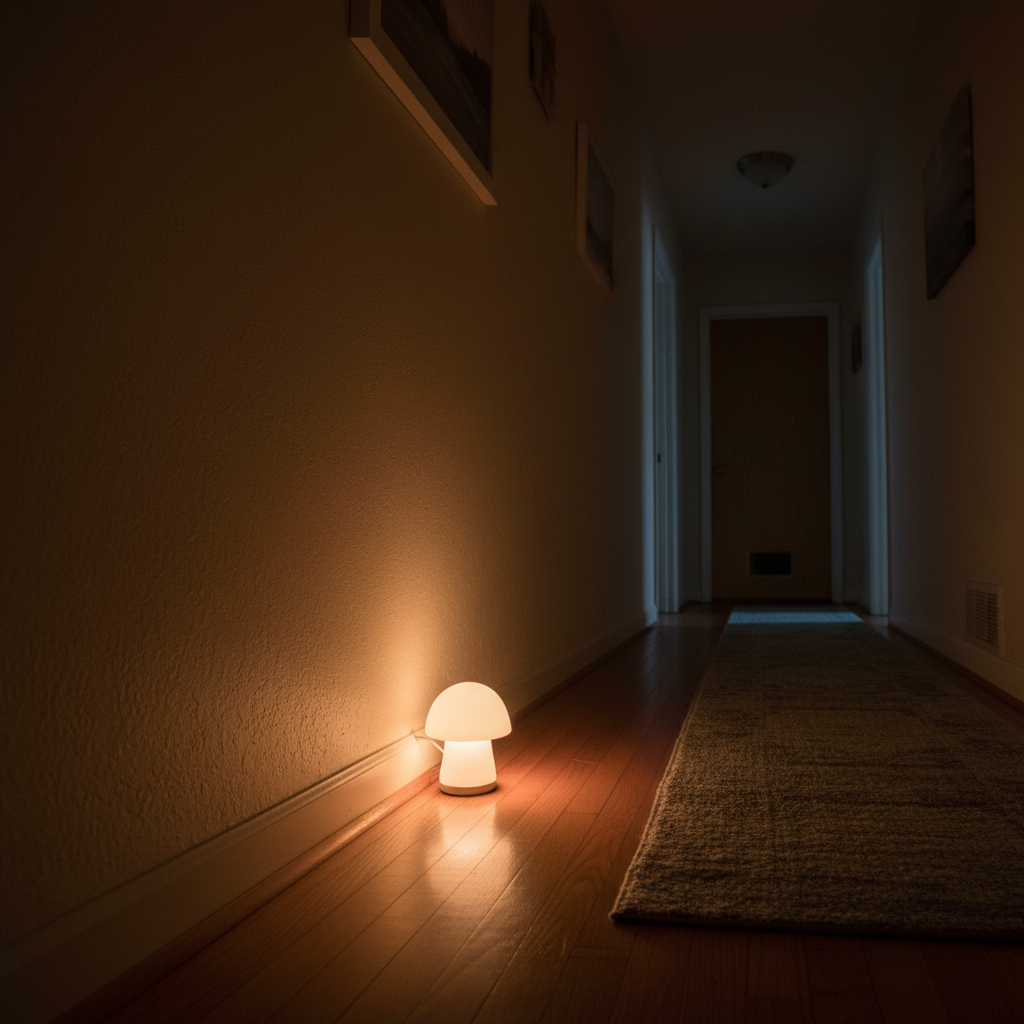
Light every path at night
Nightlights in hallways, bathrooms, and the bedroom reduce disorientation and the anxiety that triggers wandering.
Register for GPS tracking
The MedicAlert + Alzheimer's Association Safe Return program provides a wearable ID and 24/7 emergency response.
Brief your neighbors now
Share a recent photo and your phone number with two or three neighbors before an incident — not after.
Safe Return
MedicAlert + Alzheimer's Association
800-272-3900
"He walked out at 11 p.m. in January. We found him six blocks away. After that I put the door alarm on and told every neighbor on the street. It's been two years without an incident."
— Diane, daughter and long-distance caregiver, Minnesota
FDA Approved
First treatment for Alzheimer's agitation — Rexulti (2023)
"The pharmacist was the one who finally told me that the OTC sleep aid I'd been giving Dad was making his confusion worse. I wish I'd had a list like this years ago."
— Robert, retired husband and primary caregiver, Georgia
What's in the medicine cabinet —
and what it's actually doing
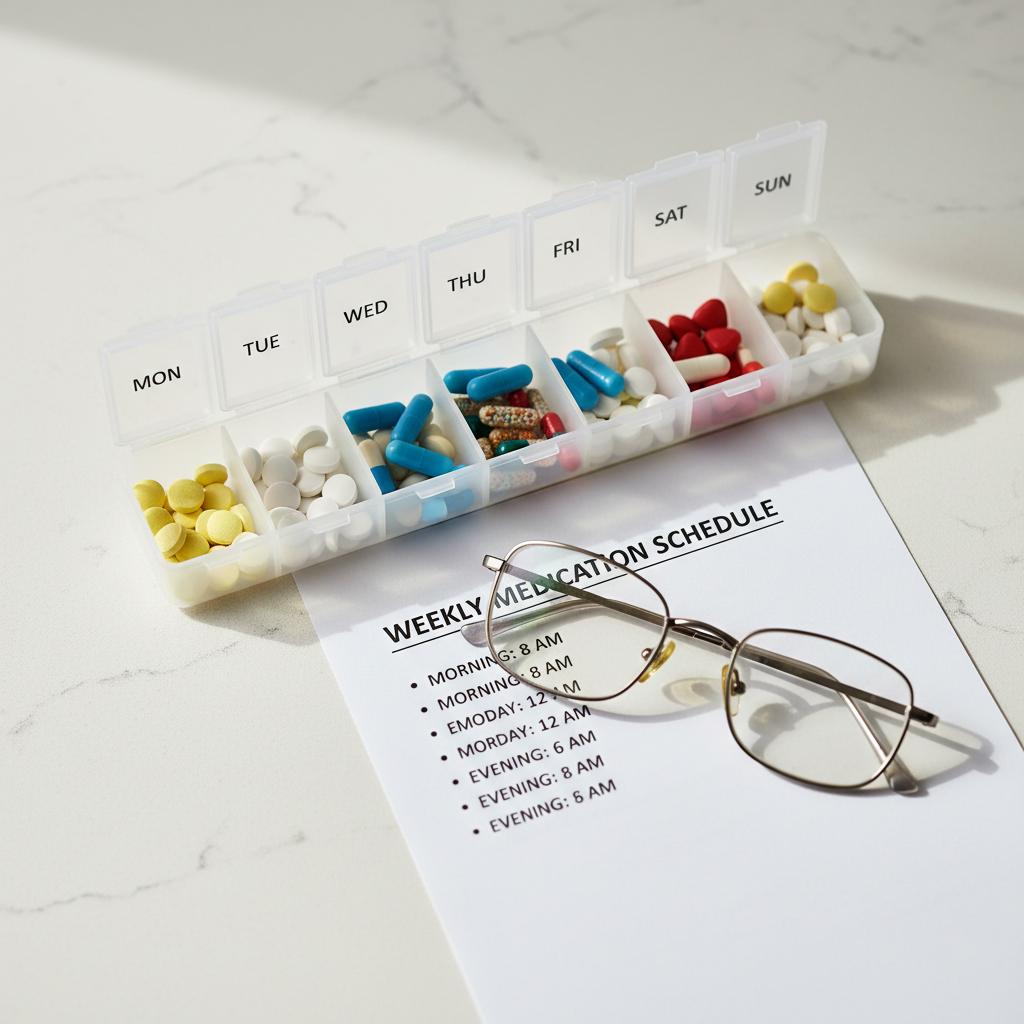
You will understand every medication interaction on this list before your next doctor's appointment. Print it, bring it, ask about it.
Anticholinergics
Benadryl, some sleep aids, certain antidepressants
Can worsen confusion and increase fall risk in older adults.
Benzodiazepines
Valium, Ativan, Xanax
May cause paradoxical agitation in dementia. Avoid for sleep unless directed.
Antipsychotics
Haldol, Risperdal, Zyprexa
Used carefully for severe agitation. FDA black-box warning for dementia patients.
Cholinesterase inhibitors
Aricept (donepezil), Exelon (rivastigmine)
Standard dementia medications — vivid dreams and nausea are common early side effects.
Brexpiprazole (Rexulti)
FDA-approved for agitation in Alzheimer's (2023)
First FDA-approved treatment specifically for sundowning agitation.
OTC Sleep Aids
Unisom, ZzzQuil, most melatonin blends
Non-drug approaches preferred first. Melatonin (low dose, short-acting) may be discussed with physician.
When everything is happening
right now
These seven steps are what crisis counselors actually say. Memorize two. Tape the rest to the fridge.
You will know exactly what to say and do in the first two minutes of a crisis — before you think to reach for your phone.
Approach slowly, from the front — announce yourself by name
Use a calm, low voice. Match their emotional temperature, not their agitation.
Ask "What do you need?" rather than correcting what they're saying
Gently remind them of the time and where they are — once, without insisting
Allow pacing if it's safe — movement can reduce agitation
Do not physically restrain unless there is immediate danger
If calling 911: say "My loved one has dementia" at the start of the call
Emergency reminder
When calling 911, always begin with: "My loved one has dementia." This helps dispatchers and first responders calibrate their approach before they arrive.
Alzheimer's Helpline: 800-272-3900Trusted resources — no email required
Alzheimer's Association Helpline
24/724/7 access to master's-level clinicians. Crisis guidance, medication questions, local program referrals — any hour.
800-272-3900Dementia Careblazers
Hundreds of free training videos by Dr. Natali Edmonds, PsyD. Practical tools for the behaviors that feel impossible.
youtube.com/c/DementiaCareblazers →UCLA Caregiver Training Series
18 free videos created specifically to help family caregivers understand and manage challenging dementia behaviors.
uclahealth.org/dementia →Eldercare Locator
FreeFree public service connecting you to community services — meals, transportation, respite care — by ZIP code.
800-677-1116VA Caregiver Support Program
VeteransHome- and community-based support services for veterans and their caregivers, including respite and education.
caregiver.va.gov →GUIDE Model (Medicare)
New 2024New Medicare coverage for comprehensive dementia care coordination and caregiver education. Ask your doctor.
cms.gov/guide →Everything above — in one place,
ready when you need it at 3 a.m.
The Tether Caregiver Toolkit includes all four protocols, the medication reference guide, the trigger log template, and a laminated-ready crisis card. No fluff. No upsell.
Sundowning Protocol
Wandering Safety Plan
Medication Guide
Crisis Response Card
Send Me the Caregiver Toolkit
Free. No phone number. No last name. Just what you need.
You can also download individual PDFs above — no email required.